
On January 11, the global memory chip market witnessed an "unprecedented" price surge, triggering a frantic scramble for DRAM supply among tech giants. Major U.S. firms including Google, Microsoft, and Meta reportedly dispatched procurement teams to South Korea, competing aggressively for limited DRAM inventory—a move that industry insiders have dubbed the "DRAM beggar groups."
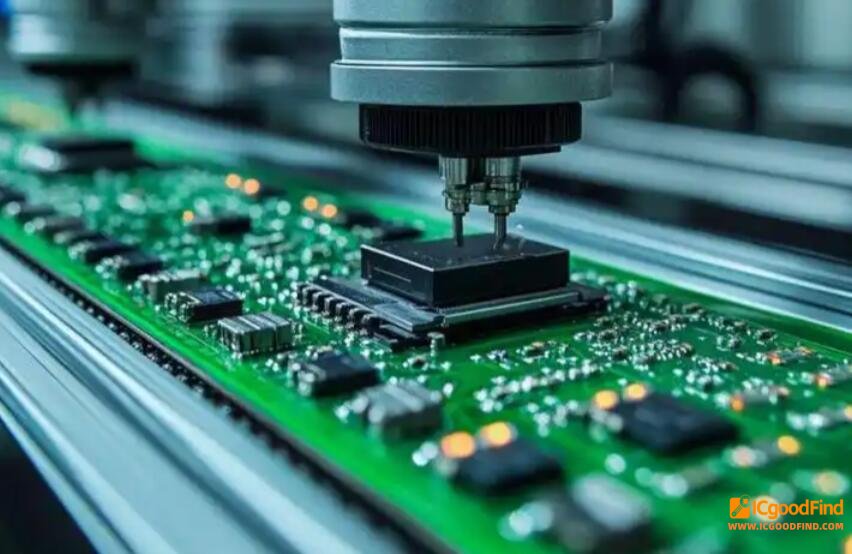
Hotels in South Korea's Pangyo and Pyeongtaek areas have been fully booked by these corporate buyers, who shuttle daily between the headquarters of Samsung and SK Hynix to negotiate supply deals. Together, the two Korean manufacturers dominate the majority of the global DRAM supply chain, making them the central focus of this buying rush. Price increases have been staggering: the average transaction price of an 8GB DDR4 memory module soared from $1.40 in January last year to $9.30 in December. In Q1 2026, server DRAM contract prices are projected to rise another 60%-70% compared to Q4 2025, with a single 256GB DDR5 server memory module exceeding 40,000 yuan, and a box of 100 modules totaling 4 million yuan.
Behind the surge lies structural supply-demand imbalance driven by the AI boom. AI servers consume 8-10 times more memory chips than conventional servers, already absorbing 53% of global monthly production capacity and squeezing supply for consumer-grade memory. Manufacturers such as Samsung, SK Hynix, and Micron are shifting resources toward higher-margin products like HBM, while cutting back on DDR4 output, further widening the gap. Riding this wave, Samsung Electronics reported record quarterly operating profit, surpassing 20 trillion Korean won (approx. 96.2 billion yuan).
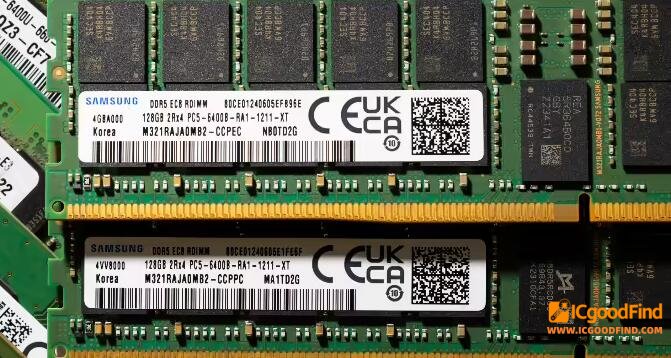
The primary goal for tech giants is to lock in long-term supply before prices climb further. Samsung, SK Hynix, and Micron have all initiated expansion plans, with Samsung investing 360 trillion won to build six new fabs and accelerate HBM4 mass production. Analysts predict that memory chip prices will continue rising through the first half of 2026, with contract prices expected to increase over 15% in Q1.
ICgoodFind : The AI-driven surge in memory demand has ignited a "super cycle" for the industry, with supply gaps expected to keep pushing up the value of core products.
